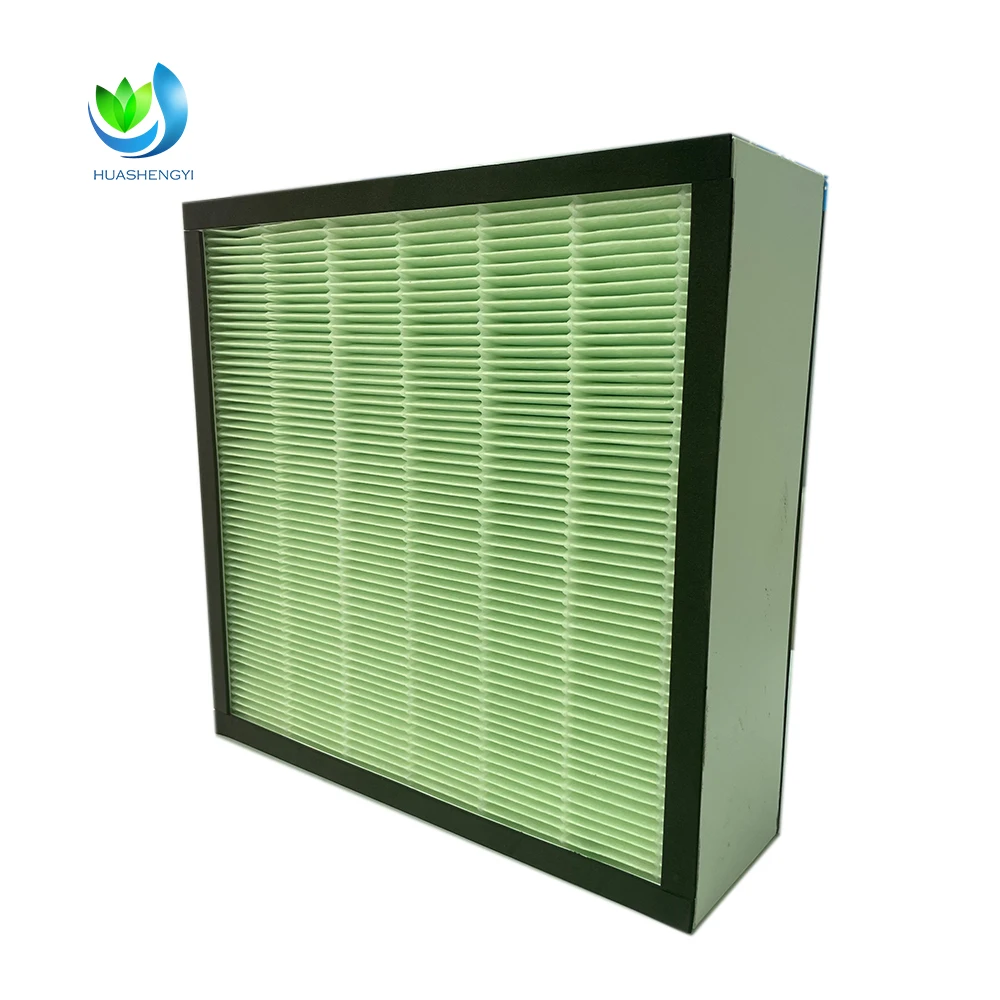
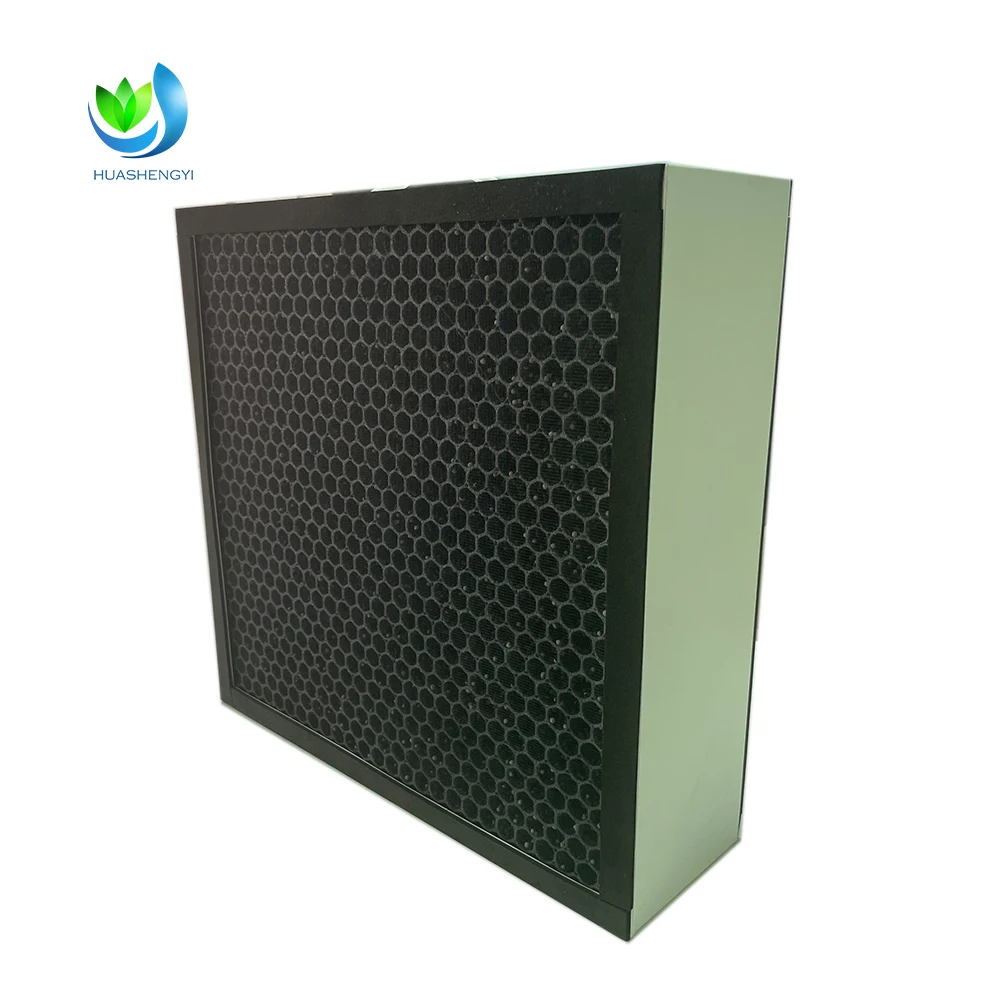
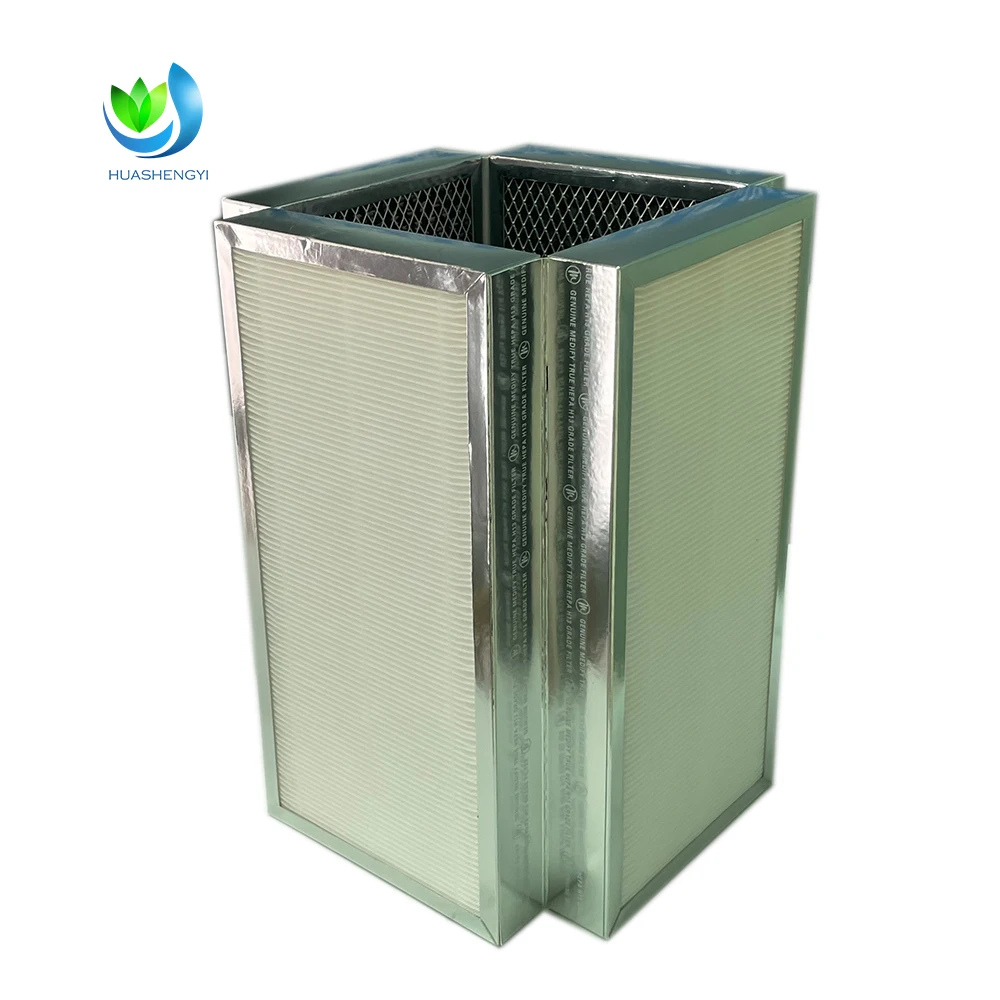
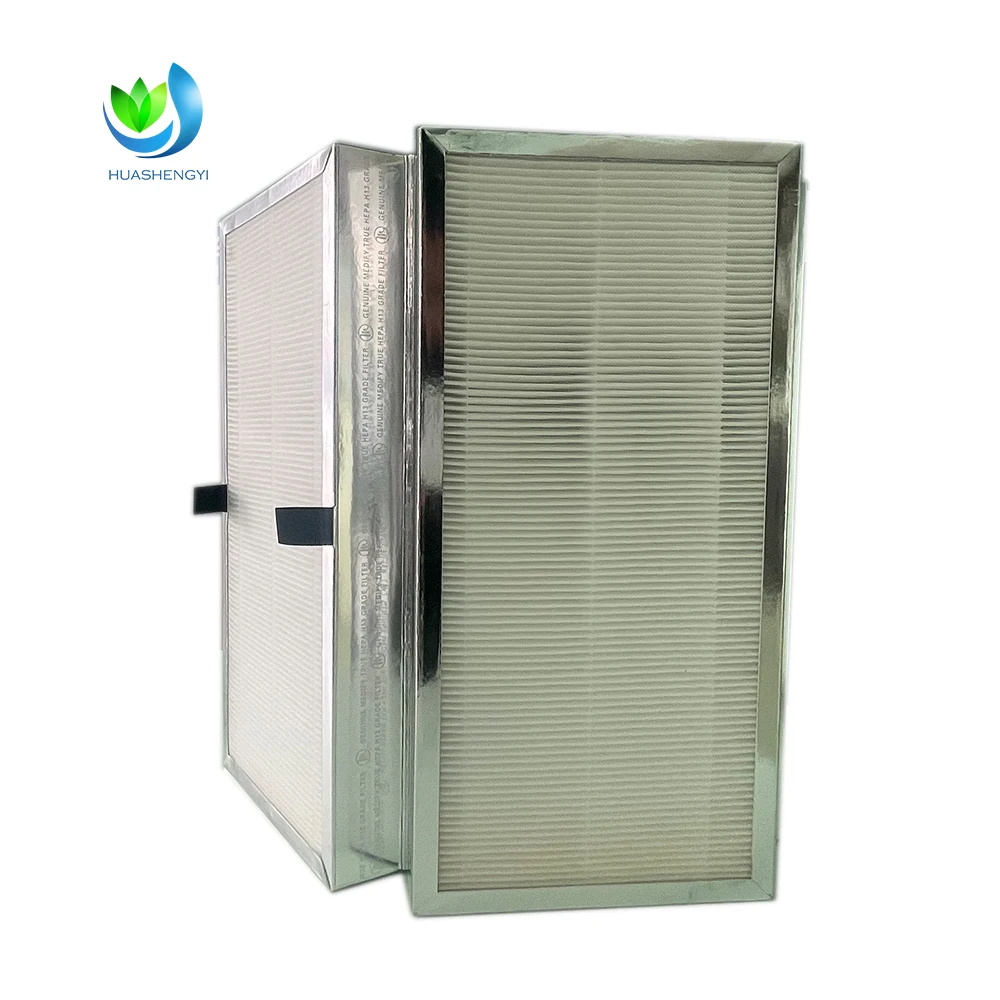
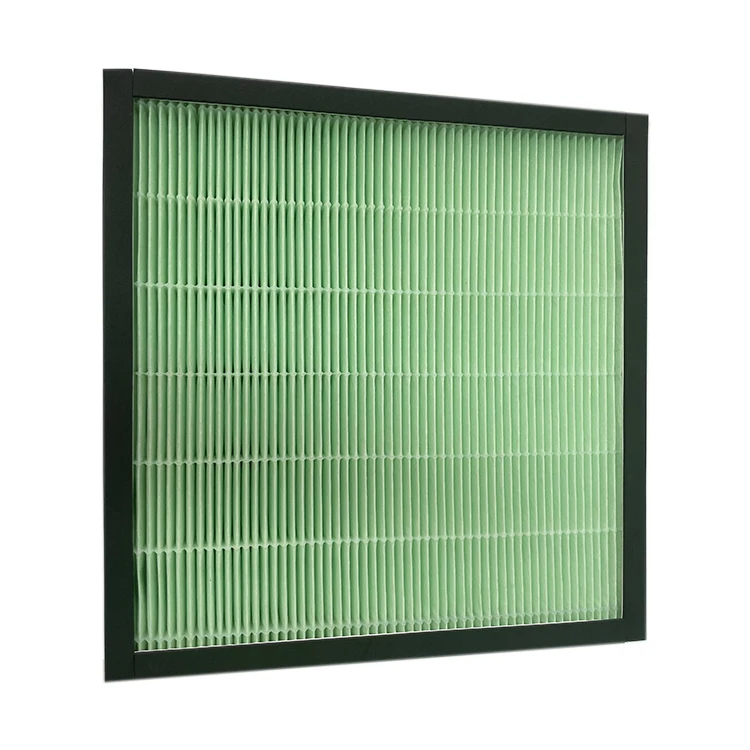
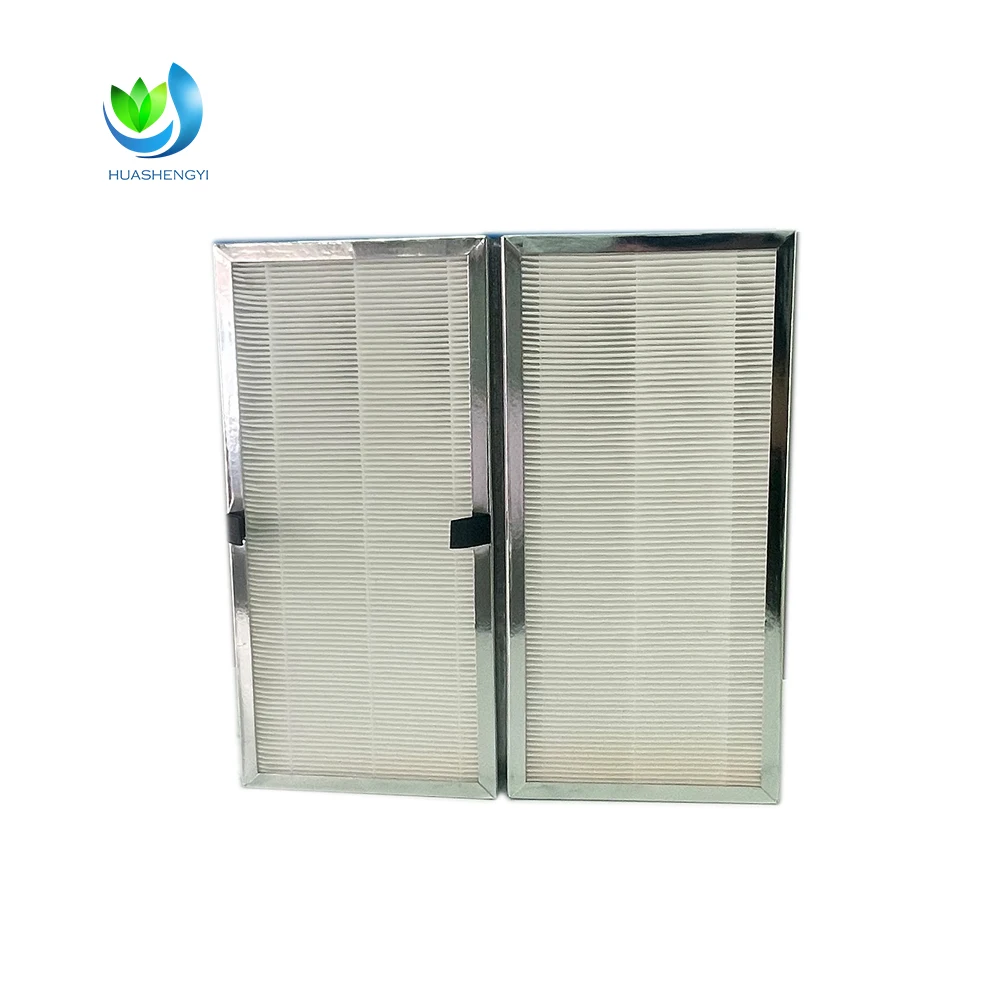
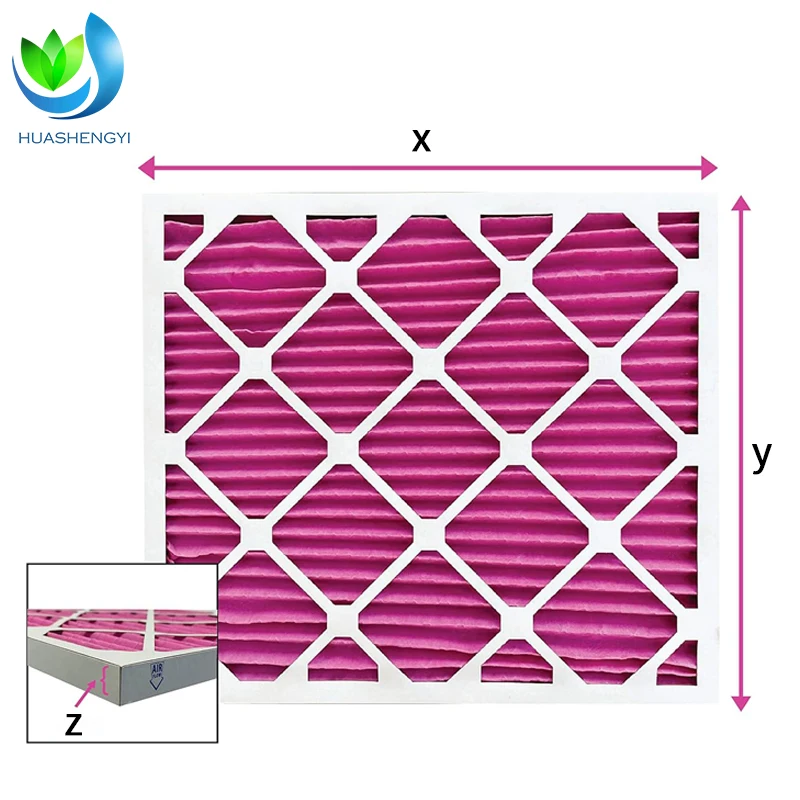
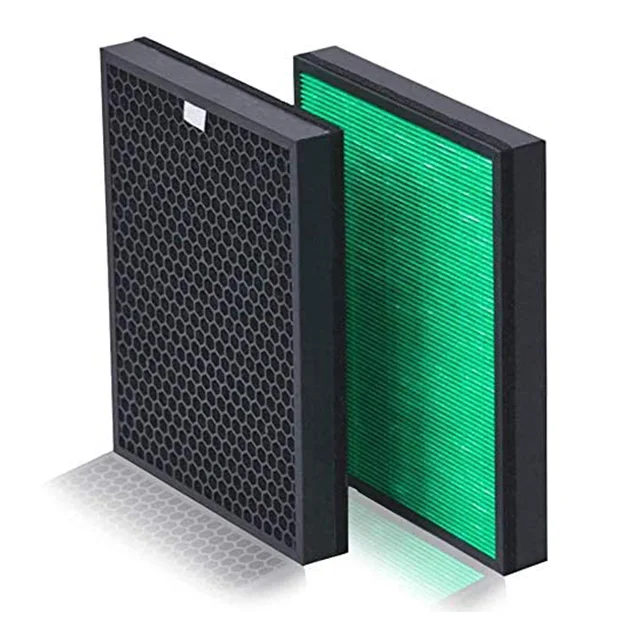
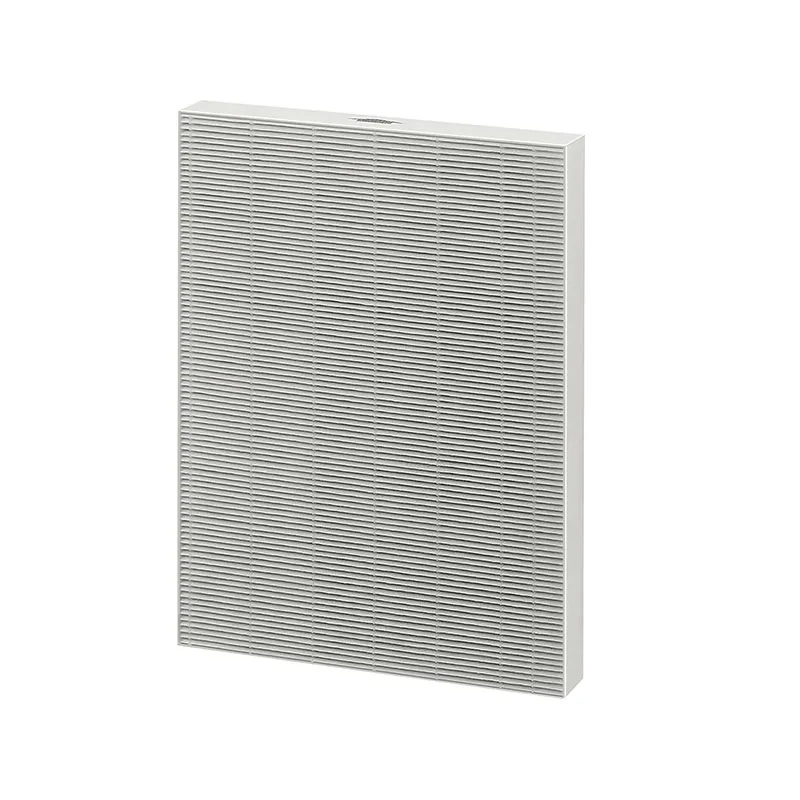
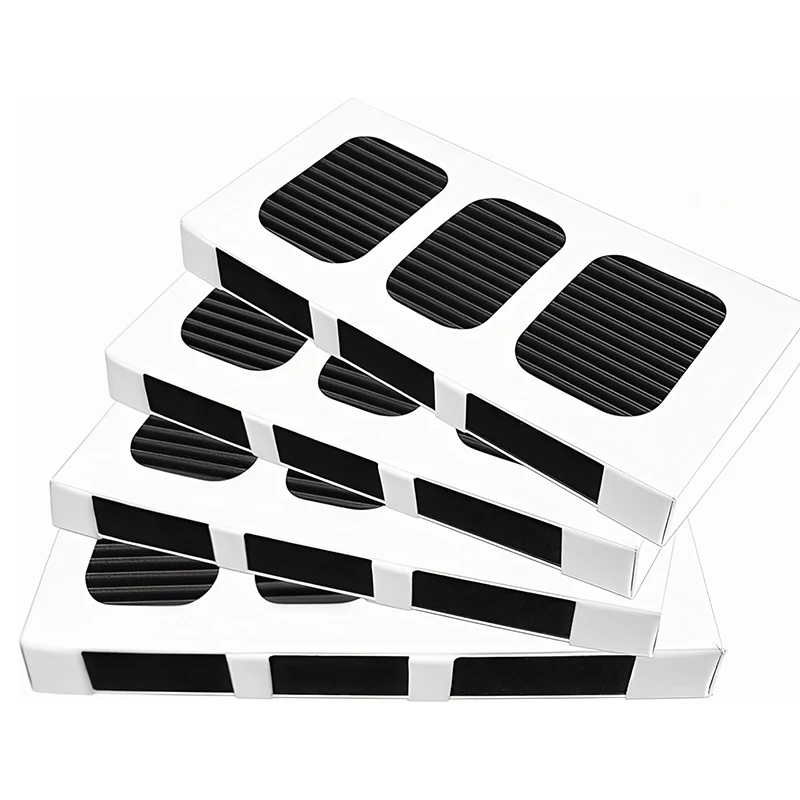
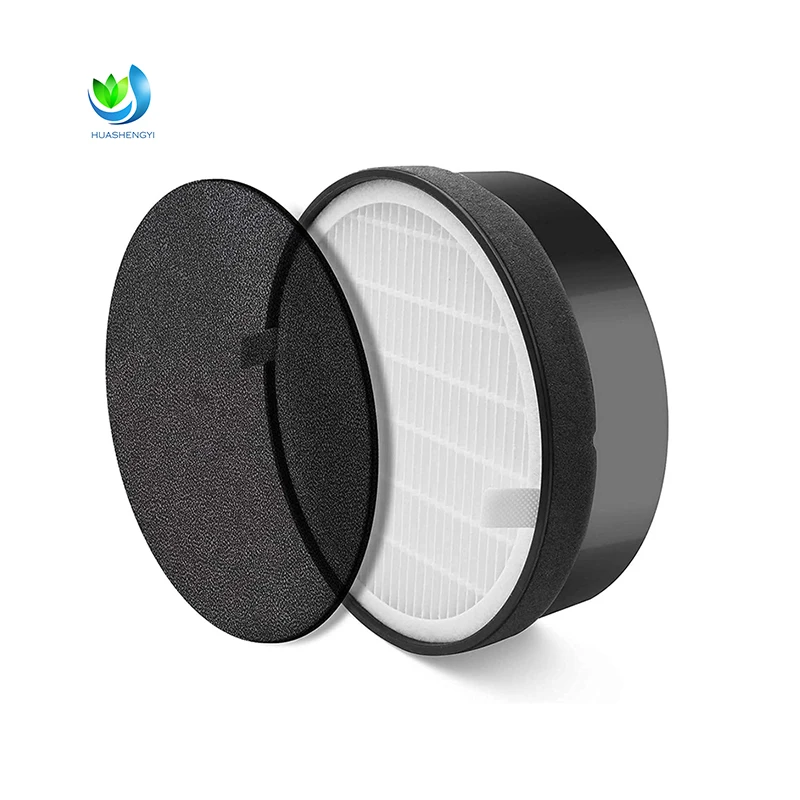
Yhdistetty aktiivihiilisuodatin on ilmanpuhdistusteknologia, joka yhdistää aktiivihiilen
adsorptio-ominaisuudet muihin suodatinmateriaaleihin. Sen tarkoituksena on poistaa haitallisiat kemikaalit, hajut, hiukkaset ja epäpuhtaudet
ilmasta ja tarjota siistimpi ja terveellisempi sisäilma. Tätä suodintyyppiä käytetään yleisesti ilmanpuhdistimissa, ilmanvaihtojärjestelmissä
ja ilmastointijärjestelmissä.
Yhdistetyn aktiivihiilisuodattimen pääkomponentit ovat seuraavat:
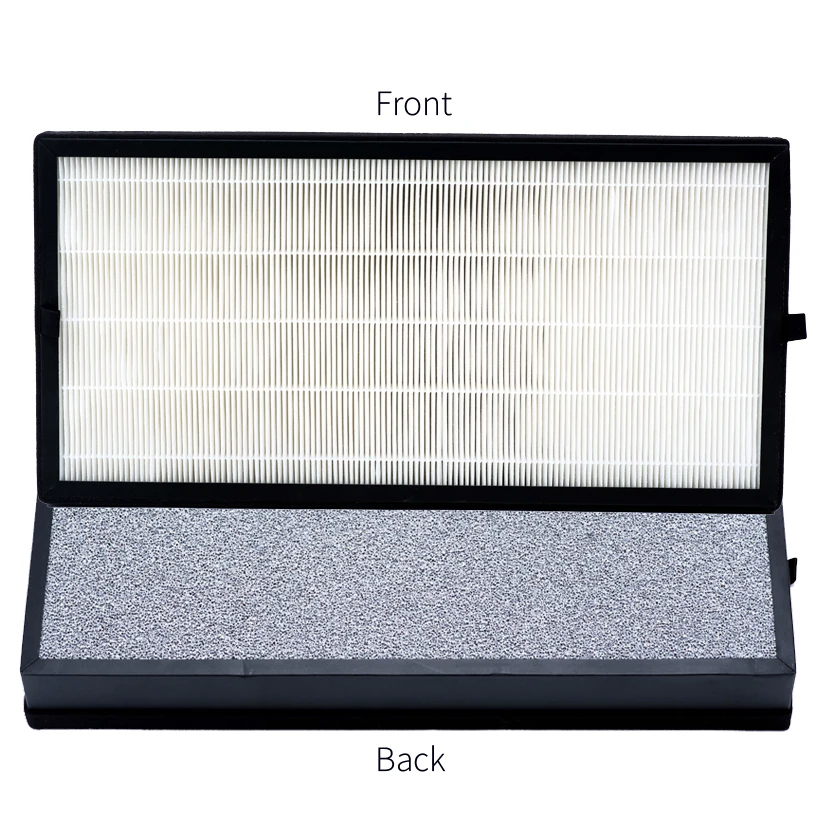
1. Esisuodatinkerros: Yhdistetyissä ilmanpuhdistussuodattimissa on yleensä esisuodatinkerros, joka sieppaa suurempia hiukkasia, kuten pölyä, siitepölyä ja lemmikin karvaa. Tämä kerros estää suurten hiukkasten pääsyn seuraavaan aktiivihiilikerrokseen, mikä pidentää aktiivihiilen käyttöikää ja parantaa kokonaissuodatuskykyä.
2. Aktivoitu hiili -kerros: Aktivoitu hiili -kerros on yhdistelmä aktivoitu hiili ilmansuodattimen ydinkomponentti ja olennainen ilman puhdistukselle. Aktivoitu hiili suuri pinta-ala ja adsorptiokyky mahdollistavat haitallisten kaasujen, hajujen ja kemiallisten saasteiden tehokkaan poiston ilmasta, kuten haihtuvia orgaanisia yhdisteitä (VOC), formaldehydiä, bentseeniä ja muita.
3. Korkean tehokkuuden suodatinkerros: Aktiivihiilikerroksen jälkeen sijaitseva korkean tehokkuuden suodatinkerros sieppaa hienoja hiukkasia, kuten bakteereja, viruksia ja pölyä. Tämä parantaa kokonaissuodatustehokkuutta ja varmistaa ilmanlaadun mahdollisimman suuren parantumisen.
4. Tukikerros: Kuten johdannossa mainittu tukikerros, myös yhdistelmäaktiivihiilisuodatin sisältää tukikerroksen, joka säilyttää suodattimen rakenteellisen eheytensä.
Yhdistelmäaktiivihiilisuodattimen toimintaperiaate perustuu sisäilman ohjaamiseen suodattimen läpi. Tämä prosessi sieppaa, adsorboi tai estää ilmassa olevia hiukkasia ja saasteita. Se parantaa sisäilman laatua ja vähentää allergenien, haitallisien kaasujen ja hajuja ihmisten terveyteen kohdistamaa vaikutusta, erityisesti herkille ryhmille, kuten allergioita sairastaville ja astmapotilaille.
Valittaessa yhdistelmäaktiivihiilisuodatinta on tärkeää ottaa huomioon suodattimen tarkoitettu käyttöympäristö ja vaadittu
suodatustehokkuus ja vaihtoväli. Eri ilmansaastelähteet ja ilmanlaatua koskevat vaatimukset voivat edellyttää erilaisia suodattimia ja eri määrittelyjä.










 EN
EN