 EN
EN


Ve výrobní továrně léčiv je čistý vzduch mimořádně důležitý. Je to podobné jako zajistit, aby byly suroviny pro vaše léky dokonalé a nebyly kontaminovány nečistotami. Představte si, že by vzduch obsahoval prach nebo mikroskopické mikroorganismy – ty by se mohly dostat do léčiva, což by bylo škodlivé pro každého. Právě zde přicházejí do hry speciální filtry a jedním z nejlepších typů je HEPA FILTR naše společnost Walson si je vědoma, jak důležité to je. Pomáháme zajistit, aby byl vzduch v těchto továrnách co nejčistší, aby byly vyráběné léky bezpečné a fungovaly tak, jak mají. Je to náročný úkol, ale přistupujeme k němu velmi vážně, protože rozumíme, že to, co se v těchto továrnách děje, má vliv na zdraví lidí. Osobně jsme zažili, jak jediný nepatrný nečistý částeček může způsobit závažné problémy – právě proto se zaměřujeme na poskytování první kategorie řešení pro filtrace.
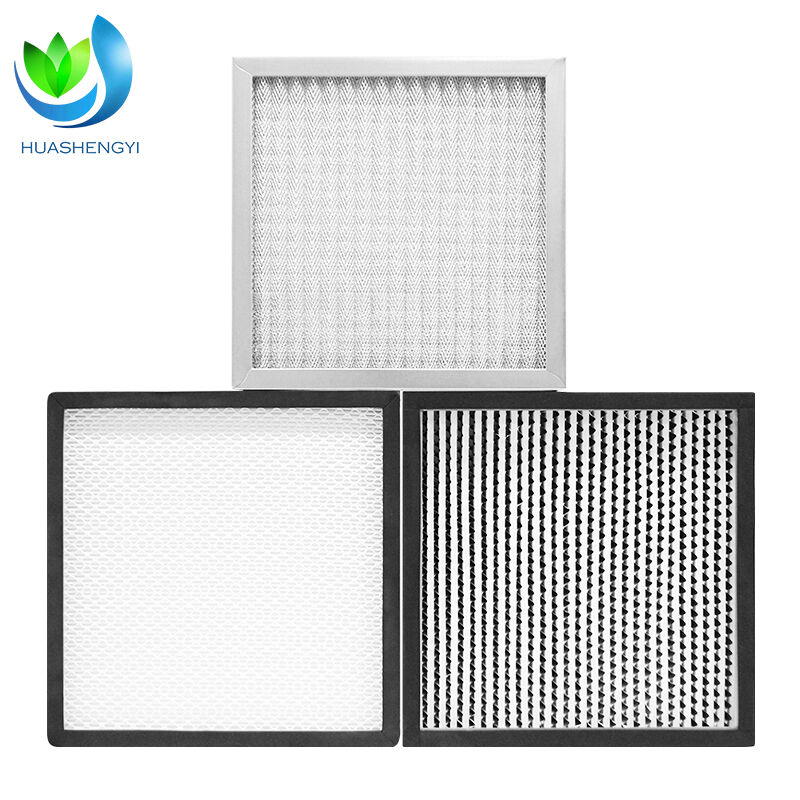
Co činí vysokovýkonný HEPA filtr pro výrobu léčiv nezbytný?
Takže, co vlastně činí HEPA filtr skutečně vhodným pro výrobu léků? Nejde jen o to, že se jedná o HEPA filtr; rozhodující je, jak dobře plní svou funkci, zejména v tak kritickém prostředí jako je farmaceutický závod. Společnost Walson vkládá do návrhu a výroby svých filtrů mnoho úsilí i pokročilé inženýrské know-how, aby byly opravdu nejvyšší kvality. Za prvé musí vysoce výkonný HEPA filtr zachytit alespoň 99,97 % částic o velikosti 0,3 mikrometru. Představte si, jak malý je mikrometr – je to jedna miliontina metru! To je menší než většina bakterií a virů. Naše filtry Walson jsou vyrobeny z vysoce specializovaného filtru, tedy z materiálu, který částice skutečně zachycuje. Tento filtr je velmi hustý a má jedinečnou strukturu, která vytváří rozsáhlou povrchovou plochu pro zachycování částic. Je to jako mít extrémně jemnou síť, která chytí všechno. Avšak nejde jen o jemnost této sítě, ale také o to, kolik vzduchu jí může projít, aniž by systém příliš zatěžoval. Tomuto se říká odpor proti proudění vzduchu. Pokud je filtr příliš omezující, nutí ventilátory ve větracích systémech pracovat nad rámec svých možností, což spotřebuje více energie a může způsobit problémy v budoucnu. Inženýři společnosti Walson navrhují své filtry tak, aby dosáhly optimální rovnováhy: účinně zachycují mikroskopické částice a zároveň umožňují dobrý průtok vzduchu. To znamená, že větrací systémy závodu mohou běžet efektivně. V našich filtrech používáme pokročilé techniky rýhování (pleating), tedy speciálního skládání filtru. To vytváří v omezeném prostoru větší povrchovou plochu, díky čemuž filtr dokáže zachytit více částic, než je nutné jej vyměnit. Dalším klíčovým faktorem je celistvost samotného filtru. Filtr musí být správně utěsněn, aby vzduch nemohl unikat okraji. Pokud existují mezery, může neprofiltrováný vzduch proniknout do systému a tím se celý účel filtrace zcela ztratí. Filtry Walson jsou vyrobeny z odolných utěsňovacích materiálů a rámových konstrukcí, které zajišťují dokonalé přilnutí a zabrání úniku vzduchu. Dále podstupují naše filtry důkladné zkoušky. Ještě než opustí naše výrobní zařízení, jsou podrobeny testům, které ověřují, že splňují naše vysoké požadavky. Mezi tyto testy patří kontrola těsnosti a potvrzení účinnosti filtrace. Právě tato pozornost k detailům činí filtry Walson tak spolehlivými pro farmaceutické aplikace. Vědomi si toho, že selhání filtru ve farmaceutickém prostředí může mít obrovské náklady – nejen z hlediska ztráty výrobků či výrobního času, ale především z hlediska potenciálního ohrožení pacientů – neděláme žádné kompromisy. Zohledňujeme také životnost filtru. Filtr, který je nutné příliš často vyměňovat, se může stát nákladnou a časově náročnou zátěží pro závod. Filtry Walson jsou navrženy tak, aby měly dlouhou životnost a po celou dobu své stanovené provozní životnosti poskytovaly stálý a spolehlivý výkon, čímž se snižuje potřeba častých výměn a minimalizuje se narušení výrobních plánů. Je to ve skutečnosti složitá věda – vyvážit všechny tyto faktory tak, aby vznikl filtr, který je zároveň vysoce účinný i prakticky použitelný pro průmyslové Použití .